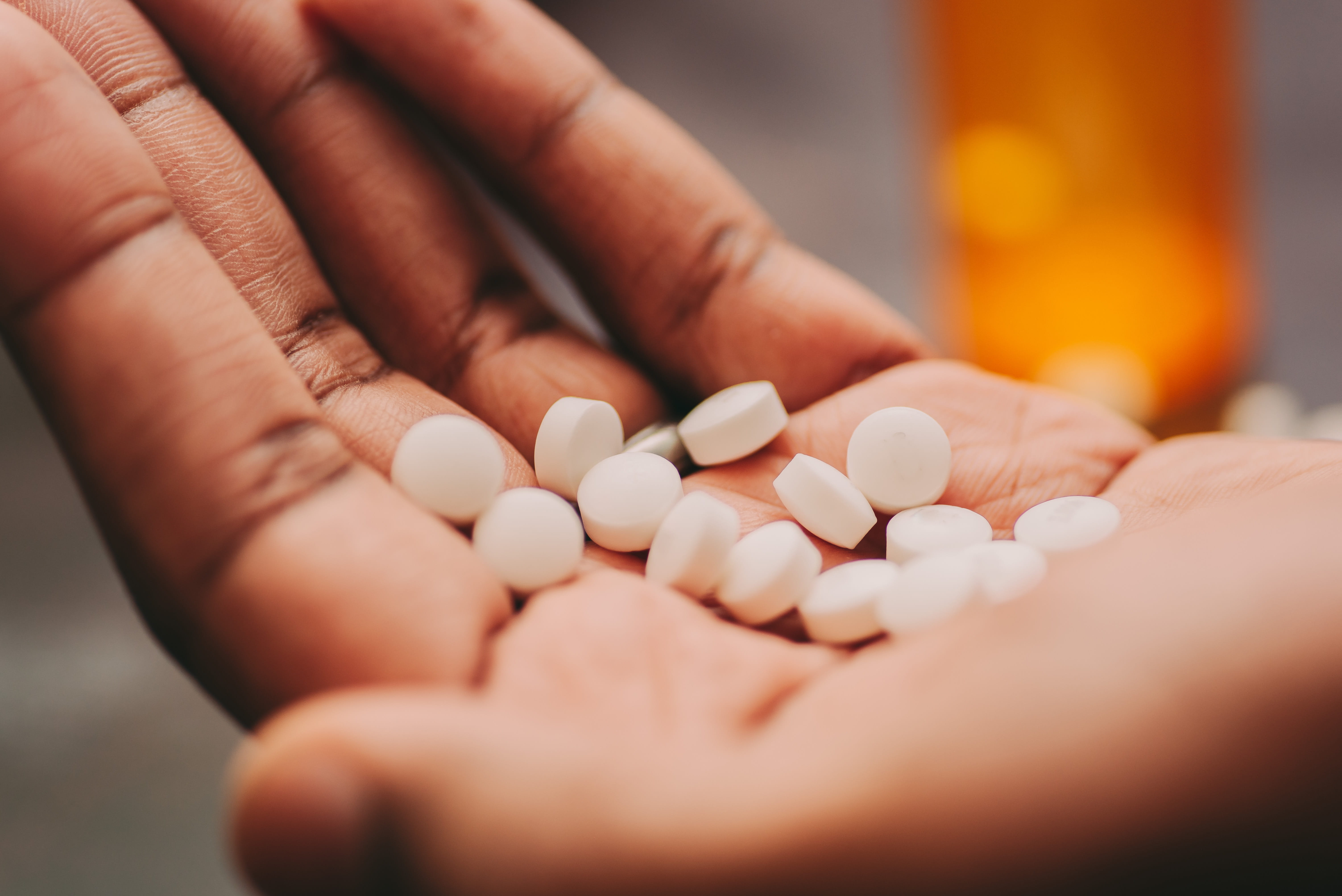
Five Things Everybody Gets Wrong About Buy Pain Relievers In France
Buy Pain Relievers in France: A Complete Guide to Medications and Pharmacies
Anybody who has ever experienced a headache, muscle pains, or fever while traveling in France quickly finds that obtaining pain relief needs some cultural and procedural understanding. Unlike the simple experience of grabbing medication from a supermarket rack, acquiring painkiller in France includes browsing a special health care system focused around drug stores, trained pharmacists, and specific guidelines. Whether you are a tourist preparing your trip, a migrant settling into French life, or a service tourist dealing with unanticipated discomfort, comprehending how to buy pain relieivers in France will conserve you time, cash, and unnecessary tension.
The French Pharmacy System: Your Gateway to Pain Relief
The French method to medication distribution centers on the pharmacy, understood locally as a “pharmacie,” which serves as both a dispensary and a healthcare advisory center. Unlike in some nations where pain relievers line grocery store shelves, France preserves a stricter separation in between general retail and pharmaceutical items. This system guarantees that a certified professional— the pharmacist— supervises the circulation of medications and can offer customized assistance on ideal treatments.
French pharmacies are quickly recognizable by their distinct green cross illuminated outside the facility. These establishments operate under stringent policies, with only licensed pharmacists permitted to offer medications. The typical French drug store maintains a qualified pharmacist on-site throughout all service hours, ready to examine symptoms, advise suitable products, and recommend on appropriate usage. This customized service represents a significant benefit for those unfamiliar with French medications, as you get skilled consultation without needing a doctor's appointment for small ailments.
Pharmacies in France typically run throughout standard service hours, generally from 8:30 or 9:00 AM until 7:30 or 8:00 PM on weekdays, with reduced hours on Saturdays. Nevertheless, France preserves an extensive on-call system for emergency situations. Each city and town designates rotating “drug stores de garde” that remain open outside regular hours, consisting of Sundays and vacations. Information about on-duty drug stores is generally posted in the windows of regular pharmacies, published in local papers, and available through dedicated websites or phone hotlines.
Types of Pain Relievers Available in France
The French pharmaceutical market uses a thorough variety of pain relief medications, from mild analgesics for everyday pain to stronger solutions needing professional oversight. Understanding the active ingredients and their applications helps you communicate effectively with pharmacists and choose suitable treatment.
France utilizes both worldwide generic names and distinctive French brand for medications, which sometimes creates confusion for visitors accustomed to various product names. The most common pain relievers fall under several classifications based upon their active components and mechanisms of action. Acetaminophen, understood as “paracétamol” in France, acts as the first-line treatment for mild to moderate pain and fever. This component forms the base of many products and is renowned for its mild result on the stomach when taken properly.
Nonsteroidal anti-inflammatory drugs, or NSAIDs, offer another vital classification of pain relief, addressing both pain and swelling all at once. These medications contain numerous active components such as ibuprofen, aspirin, and naproxen, each with specific applications and dosing suggestions. France uses numerous formulas integrating these ingredients with other elements to boost efficiency or decrease side impacts.
For more severe pain, France offers access to opioid-based medications, though these stay strictly regulated and need prescriptions. Codeine, tramadol, and combinations like tramadol-paracetamol are available through doctor assessment, guaranteeing proper use for conditions necessitating stronger intervention.
Medication Type
Common French Names
Active Ingredient
Common Uses
Paracetamol-based
Doliprane, Dafalgan, Efferalgan
Paracetamol
Headaches, fever, moderate pain, muscle aches
Ibuprofen-based
Advil, Nurofen, Brufen
Ibuprofen
Swelling, dental pain, menstrual cramps, joint pain
Aspirin-based
Aspro, Kardegic
Acetylsalicylic acid
Pain, fever, antiplatelet results
Mix products
Ibuprofène-Paracétamol, Solpadeine
Ibuprofen + Paracetamol
Moderate to extreme pain requiring double action
Topical analgesics
Voltarène Gel, Askine
Diclofenac or counterirritants
Localized joint pain, muscle stress, pain in the back
Over-the-Counter Versus Prescription Medications
French policies categorize medications into unique classes determining their schedule without prescription. This category system balances availability with safety, making sure effective medications get suitable oversight while permitting common treatments to reach customers readily.
Non-prescription medications, referred to as “médicaments sans ordonnance” in French, consist of paracetamol-based items, standard ibuprofen formulas, specific antihistamines, and various topical treatments. These products inhabit shelf area straight available within pharmacies, though guidelines still need their sale under pharmacist supervision. You will not find these medications in basic retail shops, however the pharmacy environment guarantees professional guidance accompanies your purchase.
Prescription-only medications, or “médicaments sur ordonnance,” incorporate more powerful NSAIDs, muscle relaxants, stress and anxiety medications, and all opioid-based painkiller. Getting these items requires a valid prescription from a French-licensed physician. For visitors, this requirement often produces obstacles, particularly if you need medication renewal for a continuous condition. Tourists need to carry copies of their prescriptions, ideally with French translations or global compatibility, and consider getting documentation from their home health care companies before traveling.
The pharmacist plays a vital function in the French health care system, having authority to renew specific prescriptions in emergency situations and offer medications for small conditions without physician involvement. For typical pain complaints, pharmacists can examine your signs and advise suitable over-the-counter alternatives, potentially saving you a doctor's go to for routine problems.
Practical Guidance for Purchasing Pain Relievers
Browsing your very first experience buying pain medication in France take advantage of comprehending a few practical considerations that assist in smooth deals and suitable selections.
When entering a pharmacy, you can anticipate a warm welcome from team member all set to help you. Interaction barriers require not prevent successful transactions, as many pharmacists in tourist areas speak English, and medical terms typically translates plainly. However, finding out a couple of crucial French phrases boosts your experience substantially. Understanding how to describe your symptoms— even simply indicating the afflicted area and stating “j' ai mal ici” (I have pain here)— helps pharmacists recommend suitable products. The expression “quelque picked pour la douleur” indicates “something for pain,” while “j' ai mal à la tête” indicates a headache.
Drug stores in France run within prices structures that might vary significantly from what visitors expect. Generic medications normally cost less than brand-name products, and pharmacists often recommend alternatives that provide similar active components at decreased costs. The French health care system greatly subsidizes medication costs for residents, though visitors from outside the European Union typically pay complete price. Keeping invoices enables prospective repayment through travel insurance or flexible costs accounts, depending upon your protection.
Medication
Brand Name
Approximate Price Range (EUR)
Prescription Required
Paracetamol 500mg
Doliprane
EUR1.50-3.00 (30 tablets)
No
Paracetamol 1000mg
Dafalgan
EUR2.00-4.00 (30 tablets)
No
Ibuprofen 400mg
Advil
EUR3.00-5.00 (30 tablets)
No
Ibuprofen 200mg
Nurofen
EUR4.00-6.50 (30 capsules)
No
Ibuprofen Gel
Advil Gel
EUR5.00-8.00 (100g tube)
No
Diclofenac Gel
Voltarène Gel
EUR6.00-9.00 (100g tube)
No
Paracetamol-Codeine
Efferalgan Codeine
EUR4.00-7.00 (30 tablets)
Yes
When to Seek Medical Attention
While pharmacists supply important guidance for typical pain conditions, particular symptoms and circumstances need expert medical assessment instead of self-treatment with non-prescription medications. Understanding these distinctions prevents potentially severe conditions from going neglected.
You ought to seek advice from a doctor if pain persists beyond a number of days in spite of proper medication usage, if it intensifies rather than enhances over time, or if it is accompanied by fever, rash, unusual weight-loss, or other systemic signs. Serious intense pain— especially in the chest, abdomen, or head— warrants instant medical assessment rather than efforts at self-medication. Pain arising from injury, especially with swelling, bruising, or loss of function, requires expert evaluation to eliminate fractures or severe soft tissue damage.
France preserves available healthcare infrastructure for visitors, including emergency services reachable by calling 15 (SAMU, the emergency medical service) for immediate situations. For non-emergency medical requirements, SOS Médecins supplies home calls and hotel check outs in significant cities, providing assessments in multiple languages. These services guarantee that visitors can acquire appropriate healthcare and prescriptions when over the counter choices prove insufficient.
Regularly Asked Questions About Buying Pain Relievers in France
Do I need a prescription for fundamental painkiller like ibuprofen or paracetamol?
No, standard solutions of ibuprofen and paracetamol are available without prescription in French pharmacies. These medications inhabit the “médicaments sans ordonnance” category, meaning pharmacists can offer them straight to customers. You will find them shown within the pharmacy, though a pharmacist remains offered to supply guidance on appropriate choice and dosing.
Can I utilize my home nation's prescription to obtain medication in France?
French regulations typically need prescriptions composed by doctors licensed to practice within France or the European Union. Prescriptions from outside the EU typically can not be filled directly at French pharmacies. However, pharmacists possess some discretion for medication renewal in immediate cases, and visiting a French physician for a consultation can yield a regional prescription. Bring copies of your prescriptions, including generic medication names and dosing info, facilitates this procedure considerably.
Are French drug stores costly compared to other nations?
French pharmacy prices differ based on the particular medication and whether you purchase generic or brand-name items. Normally, Medic France remains very budget-friendly, frequently costing just a couple of euros for a complete bundle. Brand-name items bring higher costs, though pharmacists normally suggest generic alternatives unless particularly asked for otherwise. Visitors from nations with non-prescription medication readily available in grocery stores might find pharmacy-only distribution rather less practical however equivalent in expense.
What should I do if I need medication outside normal drug store hours?
Each French locality maintains turning on-call pharmacies (“pharmacies de garde”) that run outdoors standard organization hours, consisting of nights, weekends, and vacations. These pharmacies show their status in the windows of routine drug stores, and you can locate them through local papers, local sites, or by calling the regional drug store hotline. For serious nighttime emergency situations, health center emergency situation departments keep pharmacy access for immediate medication requirements.
Can pharmacists in France supply medical suggestions or only offer medications?
French pharmacists go through substantial medical training and are licensed to supply substantive healthcare guidance. They can assess signs, suggest proper over the counter treatments, recommend on dosing and prospective interactions, and figure out whether your condition requires physician examination. This professional advisory function represents an integral function of the French pharmacy system, making pharmacists important health care resources for minor disorders and initial sign assessment.
Purchasing pain relievers in France includes engaging with a pharmacy-centered system designed to guarantee medication safety and offer professional guidance. While the requirement to visit drug stores instead of basic retailers at first may seem inconvenient, this technique delivers real advantages through expert assessment and customized recommendations. Understanding the difference in between prescription and over the counter medications, acquainting yourself with common French brand, and understanding how to find after-hours services prepares you for any pain relief requires throughout your time in France.
The mix of available pharmacists, affordable rates, and quality medications makes managing small ailments uncomplicated for visitors and citizens alike. By approaching French drug stores as healthcare locations instead of basic retail outlets, you access to expert competence that improves your treatment outcomes and guarantees appropriate usage of pain relief medications. When pain strikes throughout your French experience, the drug store stands prepared to help— simply look for the familiar green cross radiant along the street.